Understanding Basement Renovation Essentials
Transforming your basement into a functional and aesthetically pleasing space can significantly enhance the usability and value of your home. However, a successful basement renovation requires careful planning and consideration of several crucial aspects. This comprehensive guide outlines the essential elements of basement renovation, helping you to navigate the process efficiently and effectively.
The Importance of Planning Your Basement Renovation
A well-structured plan serves as the backbone of any basement renovation project. Planning allows homeowners to identify the purpose of the space, establish a budget, and create a timeline. Without a robust plan, you risk misallocating resources, encountering delays, and making costly mistakes. The initial steps should involve assessing the current condition of the basement. This includes:
- Checking for moisture and water damage, which can lead to mold issues.
- Measuring the space accurately to gauge what can fit into the area.
- Understanding local building codes and regulations, which may impact design choices.
Engaging with professionals for architectural design can also help streamline the process, ensuring that your renovation aligns with safety standards and aesthetics.
Key Considerations for Basement Spaces
Your basement should reflect its intended use, whether it’s a guest suite, home theater, gym, or playroom. Key considerations include:
- Natural Light: Ensure the incorporation of egress windows or well-placed lighting to enhance the space.
- Ventilation: Proper air circulation is crucial for comfort; this may entail adding ducts or vents.
- Moisture Control: Invest in waterproofing solutions to protect your basement from future water damage.
By taking these aspects into account, homeowners can create a foundation for a successful renovation that meets both practical and stylistic needs.
Budgeting for Your Basement Renovation
Developing a realistic budget is vital. The costs can vary widely based on the scope of the renovation, local labor costs, and material choices. Factors to consider when establishing your budget include:
- Cost of materials (flooring, drywall, paint, fixtures).
- Labor costs for professional installations.
- Permitting fees and other regulatory expenses.
Setting aside a contingency fund for unexpected expenses is also advised, as hidden issues often arise during renovations.
Popular Styles for Basement Renovation
Choosing a design style can significantly influence the overall atmosphere of your basement. Below, we explore a variety of popular design approaches.
Contemporary Approaches to Basement Design
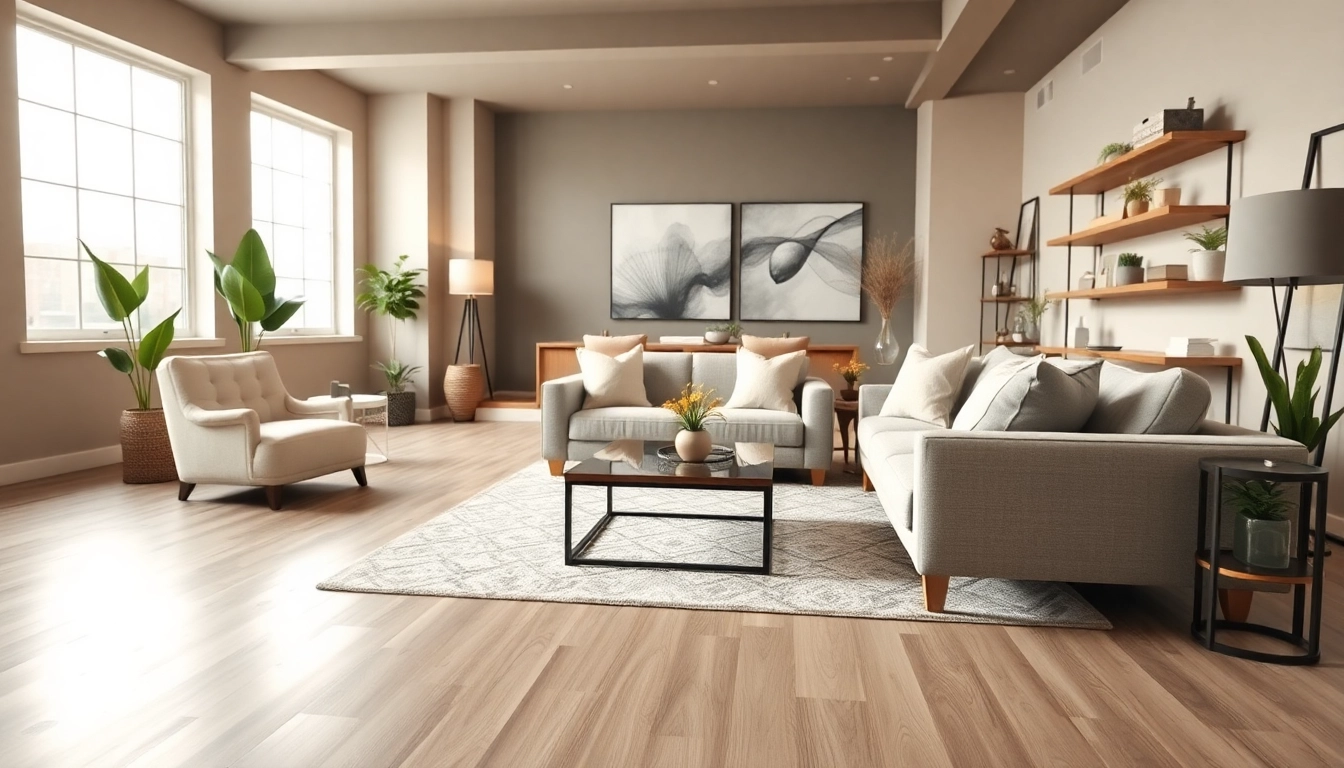
Contemporary designs emphasize clean lines and minimalism, making them suitable for modern homes. Features typically include:
- Open floor plans that maximize space.
- Luminous color palettes that enhance natural light.
- Incorporation of multifunctional furniture.
Finishing touches like geometric rugs or framed art can add character while maintaining the sleek aesthetic.
Classic vs. Modern Basements: What’s Best?
The choice between classic and modern designs depends on personal preference and the existing architecture of your home. Classic designs often include elements such as:
- Warm, rich colors and wooden accents.
- Traditional furnishings and fixtures.
- Elegant lighting choices!
On the other hand, modern designs typically favor simplicity, with a focus on space optimization and technology integration. Each style has distinct benefits, so the decision should reflect your lifestyle and the function of the space.
Utilizing Color and Light in Basement Renovation
Color and lighting are key in transforming a basement from a dark, gloomy area to a vibrant part of your home. Choosing lighter shades can help open up the room, while strategic lighting solutions can enhance visibility. Tips for effective use include:
- Employing wall colors like pale blues, soft grays, or whites that reflect light.
- Incorporating layered lighting—ceiling fixtures, task lighting, and accent lights.
- Using mirrors to amplify natural light and create a sense of space.
These elements work together to produce an inviting atmosphere that can cater to various activities.
Implementing Functional Areas in Your Basement
Functionality is crucial in basement renovations. Understanding how to best utilize the space allows for better organization and enhances the overall experience.
Creating Versatile Living Spaces
One of the most appealing aspects of a basement renovation is its potential for versatility. Many homeowners opt for multifunctional spaces that can adapt to evolving needs. Here are ideas for utilitarian design:
- Design a media room that doubles as a guest room with a fold-out sofa.
- Create a home gym with equipment that can be easily stored away or transformed into a playroom when needed.
- Incorporate built-in shelving and cabinets that maintain organization while serving aesthetic purposes.
Flexibility in design significantly enhances the usability of the renovation.
Storage Solutions for Basements
Basements are ideal for storage. Implementing clever storage solutions not only maximizes the space but also alleviates clutter in other parts of your home. Consider these storage ideas:
- Vertical storage systems that utilize height instead of floor space.
- Built-in furniture with hidden storage compartments.
- Labelled bins and containers for easy access to seasonal items.
Maintaining order through smart storage initiatives can make your basement a functional hub.
Home Office Ideas for Basement Renovation
As remote working becomes more prevalent, many are seeking to create a home office in their basements. An effective home office design should encompass:
- Desk placement near windows to capitalize on natural light.
- Ergonomic furniture that promotes comfort during long working hours.
- Soundproofing options if noise from the rest of the house may be a distraction.
By thoughtfully designing a home office, you can boost productivity while keeping a professional atmosphere.
Designing for Comfort and Aesthetics
The aesthetics of your basement renovation should not only be appealing but also promote comfort. By choosing the right elements, you can create a space where you and your guests feel at home.
Incorporating Stylish Furniture Choices
Furniture plays a vital role in defining your basement’s functionality and comfort. Depending on the intended use, choose furniture that complements your design style while offering practicality. Consider:
- Modular sofas that can be rearranged for social gatherings.
- Accent chairs that add character without crowding the space.
- Expandable dining tables for entertaining.
Thoughtful furniture selections can heighten both usability and visual appeal.
Choosing the Right Flooring for Basements
Flooring is a critical consideration in any basement renovation. It must not only be stylish but also moisture-resistant. Some popular options include:
- Luxury vinyl tiles (LVT) that simulate wood or stone.
- Carpet tiles that allow for easy replacement if damaged.
- Concrete flooring treated for aesthetics and water resistance.
Select flooring that meets both your aesthetic and functional requirements.
Creating a Warm Atmosphere through Decor
Decorating your basement requires a careful balance of style and warmth. Implementing decorative elements can complement your overall design while instilling comfort. Tips include:
- Adding area rugs to define spaces and provide warmth.
- Using wall art and personal photos to encourage a homey feel.
- Incorporating soft lighting like fairy lights or lamps to create ambiance.
Thoughtful decor choices can transform a basement into an inviting retreat.
Common Challenges in Basement Renovation and Solutions
While basement renovations can be rewarding, they come with their own set of challenges. Below are common issues and how to effectively tackle them.
Dealing with Ventilation Issues
Many basements can feel stuffy or damp, which contributes to an unpleasant environment. The solution lies in proper ventilation techniques. Consider natural ventilation methods like:
- Installing windows for fresh air flow.
- Using exhaust fans to reduce humidity levels.
- Integrating HVAC systems that circulate air properly.
These methods can significantly enhance indoor air quality, creating a more comfortable atmosphere.
Waterproofing Your Basement Renovation
Waterproofing is crucial to protect your investment from moisture problems down the line. Different waterproofing methods include:
- Exterior waterproofing with drainage systems to divert water outside.
- Interior sealants that create barriers against moisture.
- Sump pumps that collect and remove excess water.
Investing in proper waterproofing techniques can prevent future complications, ensuring a long-lasting renovation.
Ensuring Proper Lighting in Your Basement
Poor lighting can significantly undermine the appeal of a basement. To combat this, incorporate a layered lighting approach involving:
- Ambient lighting for overall illumination.
- Task lighting for specific areas like workspaces.
- Accent lighting to highlight architectural features.
Strategic lighting placement helps create an inviting atmosphere that enhances the functionality of your basement.
Frequently Asked Questions
What are the first steps in planning a basement renovation?
The first steps include assessing the current condition, identifying the purpose of the space, and developing a detailed plan that includes budgeting and timelines.
How can I maximize light in my basement?
Use light-colored paint, install larger windows where possible, and incorporate multiple light sources like ceiling fixtures and lamps to create a bright atmosphere.
Is waterproofing necessary for basement renovations?
Yes, waterproofing is essential to prevent moisture issues that can damage your investment and create an unhealthy environment.
What flooring options are best for basements?
Luxury vinyl tiles, carpet tiles, and treated concrete are excellent choices due to their moisture resistance and durability.
How do I choose a design style for my basement?
Your design should reflect personal taste and complement the existing home architecture. Consider functionality and the intended use of the space when choosing styles.