
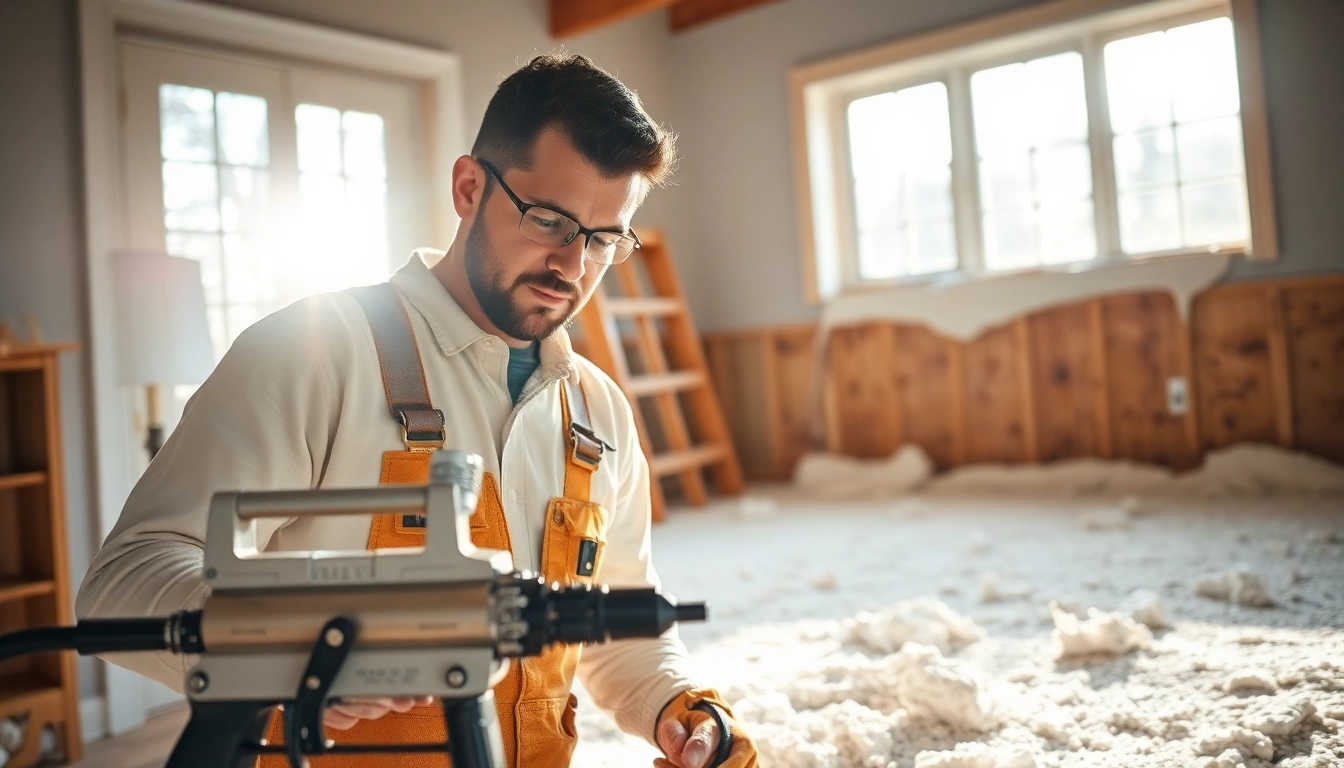
Understanding Spray Foam Removal Portsmouth
Spray foam insulation is a popular choice for homeowners looking to enhance their energy efficiency. However, there are instances where spray foam removal Portsmouth becomes necessary. Understanding this process—including its rationale, potential health implications, and more—can help property owners make informed decisions.
What is Spray Foam Insulation?
Spray foam insulation is a type of thermal insulation made from two components: isocyanate and polyol resin. When mixed together, they expand to fill gaps and cracks, providing a highly effective barrier against air infiltration. This insulation is known for its excellent R-value, soundproofing capabilities, and resistance to moisture and pests, making it a popular choice among builders and homeowners. However, its properties also lead to issues if the foam deteriorates or is improperly applied.
Common Reasons for Removal
There are several common reasons why homeowners might consider spray foam removal:
- Damage or Deterioration: Over time, spray foam can break down due to exposure to moisture or UV light, resulting in a compromised insulation barrier.
- Pest Infestations: If pests take up residence within the insulation, removal is essential to address the infestation properly.
- Health Concerns: As foam ages, it can release harmful chemicals or allergens, necessitating its removal for health reasons.
- Insufficient Insulation: If the existing spray foam fails to meet the desired energy efficiency or standards, updating the insulation might be necessary.
The Health Implications of Old Foam
Old or damaged spray foam insulation can lead to various health issues, primarily due to the potential release of volatile organic compounds (VOCs). These substances can cause respiratory problems, headaches, and skin irritations, making proper removal imperative. Additionally, exposure to mold or pests in deteriorated foam can exacerbate allergies and other health conditions.
Preparation for Spray Foam Removal Portsmouth
Before embarking on spray foam removal, proper preparation is crucial. This phase involves assessing your property, gathering tools, and implementing safety measures to minimize risks associated with the removal process.
Assessing Your Property
A thorough assessment of the property is important before removal begins. Check for signs of moisture, pest activity, and the overall condition of the insulation. Understanding the scope of the removal project can help in planning effectively and ensuring that you have the right resources at hand.
Gathering Necessary Tools and Equipment
Having the right tools is essential for effective spray foam removal. Key tools include:
- Utility Knife
- Reciprocating Saw
- Protective Gear (gloves, goggles, respirator)
- Plastic Sheeting (to prevent contamination)
- Insulation Removal Equipment
Having these tools at your disposal can greatly enhance the efficiency of the removal process.
Safety Precautions to Implement
Safety should always be a top priority during spray foam removal. Recommended precautions include:
- Wearing appropriate protective gear to safeguard against chemical exposure.
- Ensuring adequate ventilation in the workspace to minimize inhalation of harmful substances.
- Using containment methods to prevent dust and debris from affecting the rest of the property.
Techniques for Effective Spray Foam Removal Portsmouth
Several methods exist for effectively removing spray foam insulation. The chosen technique can vary based on several factors, such as the type of foam, the removal area, and personal expertise.
Manual vs. Mechanical Removal
Manual removal typically involves using hand tools to cut and pull away the foam. This method can be labor-intensive but offers the advantage of precision in limited areas. Mechanical removal, on the other hand, utilizes equipment such as insulation removal machines to expedite the process, making it suitable for larger spaces. Each approach has distinct benefits, and often a combination of both yields the best results.
Using Chemicals Safely
Chemical removers can assist in breaking down foam for easier removal. However, proper handling is key to ensure safety and effectiveness. Always read labels, follow recommended usage instructions, and ensure adequate ventilation to mitigate risks.
Environmental Considerations
When removing spray foam insulation, environmental responsibility should not be overlooked. Proper disposal of removed materials is essential to minimize ecological impact. Consider recycling options or disposal through municipal hazardous waste programs where applicable.
Aftercare Post Spray Foam Removal Portsmouth
Once the foam has been successfully removed, aftercare is essential to ensure a safe and effective transition to new insulation or simply maintaining your space.
Inspecting for Residual Chemicals
After removal, thoroughly inspect the area for any remaining chemical traces. This might involve using specialized cleaning products to eliminate any hazardous residues and ensure the space is safe for reoccupation.
Preparing for New Insulation
If you plan to install new insulation, ensure that the area is entirely clean and dry before proceeding. Adequate preparation will help you maximize the effectiveness of any new insulation, enhancing energy efficiency and comfort.
Maintaining Indoor Air Quality
After removal, it’s crucial to assess and maintain indoor air quality. Consider using air purifiers temporarily as well as regularly ventilating the space to ensure the removal of any lingering fumes or allergens.
FAQs About Spray Foam Removal Portsmouth
How long does spray foam removal take?
The time required for spray foam removal varies based on the area size and insulation type. Generally, the process can take between a few hours to several days.
Is spray foam removal dangerous?
Spray foam removal can be hazardous due to chemical exposure and physical risks. Proper safety measures are essential to mitigate dangers.
What costs are associated with spray foam removal?
Costs can vary widely based on the size of the project and the removal method. Generally, homeowners can expect to pay between £500 and £2000.
Can I remove spray foam myself?
While DIY removal is possible, it’s often not recommended due to safety hazards and technical challenges. Hiring professionals can ensure a safer and more effective removal.
What happens after removal is complete?
After removal, it’s crucial to inspect for residual chemicals, prepare the area for new insulation, and maintain indoor air quality to ensure a safe environment.


