
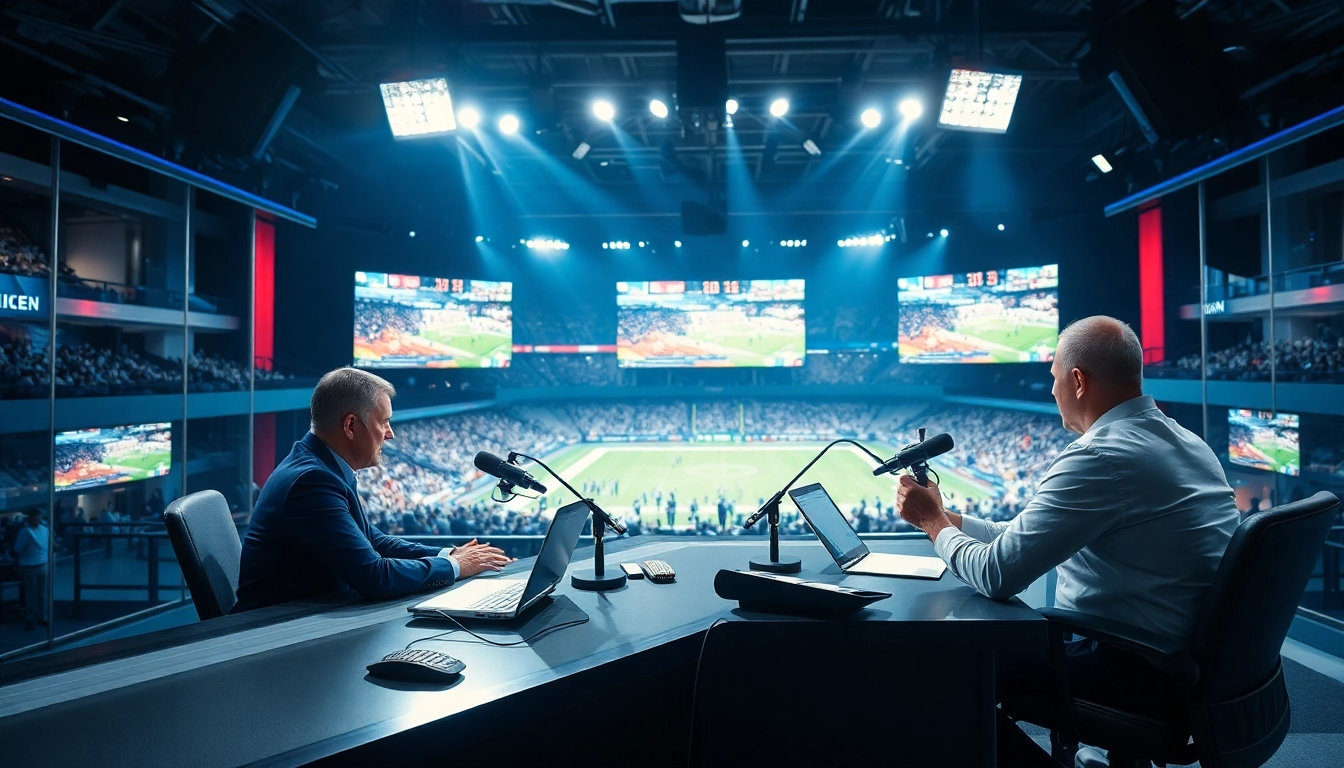
Understanding the Landscape of Sports Broadcasting
Sports Broadcasting is a dynamic domain constantly evolving to cater to a diverse audience while leveraging advancements in technology. It refers to the live transmission of sports events via television, radio, or digital platforms, allowing audiences to enjoy games in real time. A deeper understanding of this field is crucial not just for broadcasters but also for viewers interested in how these broadcasts shape their experiences. By examining the evolution, current trends, and audience dynamics, we can grasp the full impact of Sports Broadcasting on global sports culture.
The Evolution of Sports Broadcasting
Sports Broadcasting has transitioned significantly since its inception. It began in the early 20th century with radio broadcasts that brought games to the public's ears. The introduction of television added a visual dimension, revolutionizing how fans experienced sports. Initially centered around major sports like baseball and football, broadcasting extended its reach to include a plethora of sports and niche leagues. Today, digital platforms and social media are redefining the landscape, enabling interactive, real-time engagement that was previously unimaginable.
Key Trends Shaping Sports Broadcasting
Several trends are currently reshaping the sports broadcasting landscape:
- Multi-Screen Viewing: Audiences now expect the ability to watch games across multiple devices, leading broadcasters to develop applications for smartphones and tablets.
- Data-Driven Analytics: Enhanced viewer engagement through real-time statistics and personalized content has become paramount as broadcasters harness data analytics to tailor experiences.
- Social Media Integration: Platforms like Twitter, Instagram, and Facebook are crucial for promoting live events, and broadcasters actively engage with audiences through these channels.
- On-Demand Content: With the rise of streaming services, audiences prefer on-demand viewing options, encouraging broadcasters to provide highlight reels and full match replays.
Audience Dynamics in Sports Broadcasting
The audience for sports broadcasting is multifaceted, encompassing diverse demographics and preferences. Understanding these dynamics helps broadcasters tailor their content effectively. Factors influencing audience behavior include age, geographic location, and cultural background. Young viewers gravitate toward online platforms, while older demographics may prefer traditional television. Moreover, fans’ emotional engagement with their teams heavily influences viewing choices, highlighting the critical role of storytelling in broadcasts.
Essential Equipment for Effective Sports Broadcasting
Cameras and Lighting Techniques
Cameras are the backbone of sports broadcasting. High-definition cameras equipped with advanced zoom capabilities allow for capturing fast-paced action from various angles. Lighting is equally important; poor lighting can detract from the viewing experience, making game events appear dim and uninviting. LED lights and strategic placement ensure that every moment is illuminated effectively, enhancing visual clarity and drama.
Audio Gear for Clear Broadcasting
Clear audio is as vital as visual fidelity. High-quality microphones, such as lavalier and shotgun mics, capture sound precisely, whether from commentators or field reporters. Use of mixers and soundboards can seamlessly integrate various audio sources, ensuring that commentators and ambient sounds harmonize perfectly. Additionally, audio software allows for real-time sound quality adjustments, enhancing broadcast quality.
Editing Software for Polished Content
Post-production editing software is crucial for creating polished broadcasts. Tools such as Adobe Premiere Pro and Final Cut Pro offer robust features for editing video content, adding graphics, and integrating statistics. Effective use of editing software allows for storytelling techniques such as slow-motion replays and highlight montages, which significantly enhance viewer engagement.
Content Strategies for Sports Broadcasting Success
Creating Compelling Storylines
Storytelling transcends the mere presentation of events; it deepens audience engagement. Broadcasters must create narratives around matches, players, and teams that resonate with viewers. By highlighting personal stories, rivalries, and historical contexts, broadcasts become not just events to watch, but journeys to experience.
Utilizing Social Media for Engagement
Social media bridges the gap between broadcasters and audiences. Live updates, behind-the-scenes footage, and interactive polls create an engaging environment that encourages viewer participation. Broadcasters must leverage these platforms to enhance communication and share content that resonates with both dedicated fans and casual viewers.
Live Streaming Best Practices
With the increasing popularity of live streaming, adhering to best practices is essential for success. This includes maintaining high-quality video and audio, ensuring a stable streaming service, and interacting with viewers through live chats. Additionally, promoting live events across various social media channels can help boost viewer numbers and engagement during the broadcasts.
Monetization Models in Sports Broadcasting
Advertising and Sponsorship Opportunities
Advertising remains a cornerstone for revenue generation in sports broadcasting. By partnering with brands that align with their audience's interests, broadcasters can create lucrative sponsorship packages. Innovative advertising strategies, such as product placement during broadcasts, allow for seamless integration that enhances brand visibility without disrupting the viewer experience.
Subscription-Based Models
Subscription-based models have gained traction in recent years, offering fans exclusive content and ad-free viewing experiences for a fee. By creating tiered subscription levels, broadcasters can cater to various audience segments, providing high-value content to those willing to pay for enhanced experiences. This model, coupled with engaging content, can lead to sustainable revenue streams.
Merchandising Strategies
Merchandising offers an additional revenue opportunity beyond pure broadcasting. By collaborating with sports teams to sell merchandise related to popular games or players, broadcasters can capitalize on fan loyalty and enthusiasm. Effective marketing strategies that promote exclusive items during broadcasts can lead to increased sales and viewer engagement.
Future Innovations in Sports Broadcasting
Augmented and Virtual Reality in Broadcasting
AR and VR technologies promise to revolutionize how audiences experience sports broadcasting. With AR, viewers can access enriched visuals and statistics during games, while VR offers immersive experiences, allowing fans to feel as though they are present at the event. Developing these technologies will require significant investment, but the potential engagement benefits could be substantial.
Data Analytics for Enhanced Audience Insights
The application of data analytics is becoming increasingly important in broadcasting. By gathering viewer data, broadcasters can gain insights into audience behavior, preferences, and engagement levels. This data-driven approach allows for tailored content strategies and targeted marketing, ensuring that broadcasts resonate deeply with intended audiences.
Trends to Watch in the Next Decade
As the sports broadcasting landscape evolves, several key trends are expected to significantly impact how content is consumed. Increased bandwidth will support higher-quality streaming and interactive content, while mobile-first strategies will prioritize the delivery of content to smartphones. The integration of AI for producing highlights and personalized viewing experiences can further enhance the future landscape of sports broadcasting.
FAQs
What exactly is Sports Broadcasting?
Sports Broadcasting refers to the live transmission of sports events via television, radio, or digital platforms, allowing audiences to enjoy games in real time.
What are the benefits of Sports Broadcasting?
Sports Broadcasting enhances visibility for teams and events, fosters fan engagement, and provides significant revenue opportunities through advertising and sponsorship.
How is technology changing Sports Broadcasting?
Technology is introducing innovations like high-definition visuals, live streaming, and interactive content, making broadcasts more engaging and accessible.
Can I monetize Sports Broadcasting?
Yes, monetization can occur through advertising, sponsorships, subscriptions, and possibly selling merchandise related to the sports events being broadcasted.
What skills are needed for a career in Sports Broadcasting?
Key skills include strong communication, multimedia editing, knowledge of sports, and familiarity with broadcasting technologies and audience engagement strategies.