Understanding Door Handle Styles
Traditional vs. Modern Door Handle Designs
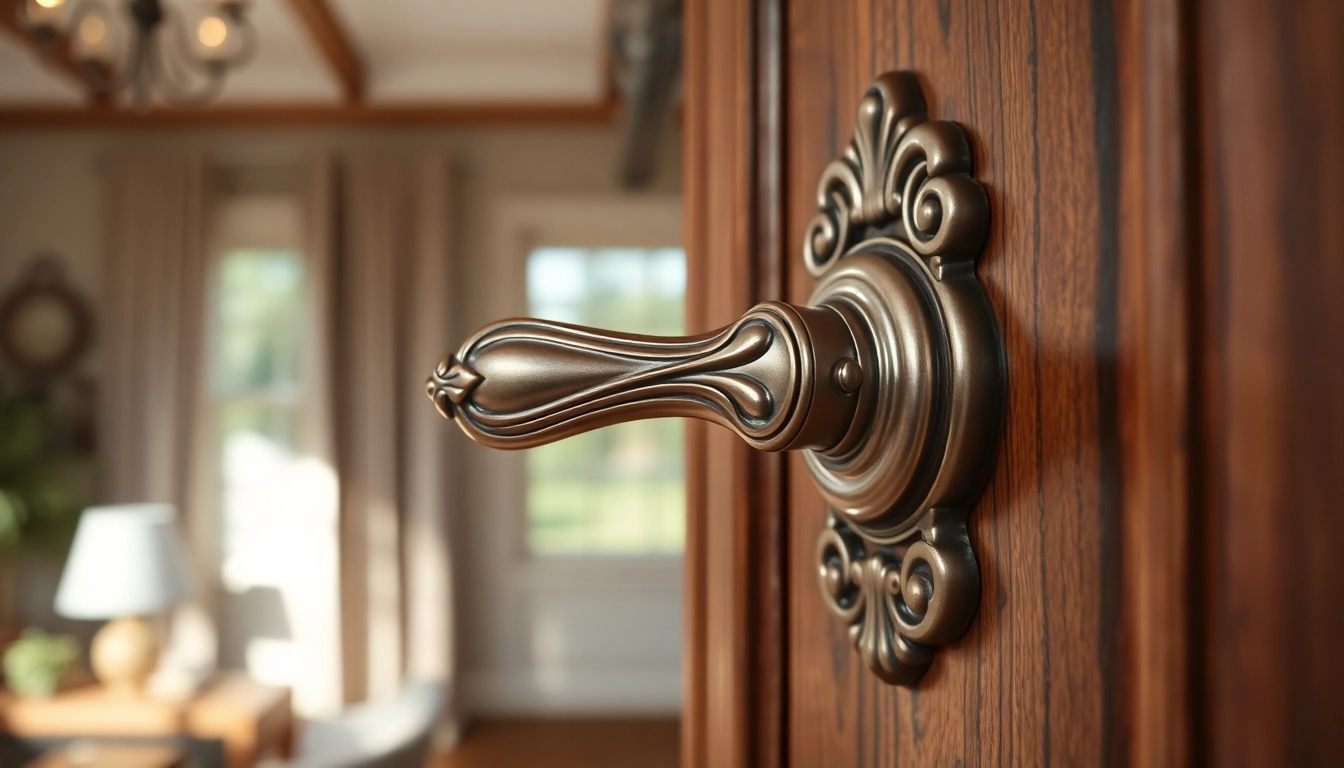
When it comes to door handles, one of the primary distinctions lies between traditional and modern designs. Traditional door handles often feature intricate carvings, ornate details, and classic materials such as brass or bronze. They convey a sense of heritage and craftsmanship, making them ideal for historical homes or those seeking a vintage aesthetic.
In contrast, modern door handles lean towards minimalist designs, featuring sleek, clean lines and sometimes unconventional shapes. Materials such as stainless steel, glass, and thermoplastic are popular, appealing to contemporary tastes. Choosing between these styles will set the tone for your space, often reflecting your personal aesthetic.
Popular Materials Used in Door Handles
The material of a door handle significantly influences its durability, appearance, and maintenance. Common materials include:
- Brass: Known for its resistance to corrosion, brass has a warm tone that adds elegance.
- Stainless Steel: Offering a modern appeal, stainless steel is durable and easy to clean, making it a popular choice in contemporary settings.
- Plastic: Affordable and versatile, plastic handles come in various colors and styles but may lack durability compared to metals.
- Glass: Providing a unique aesthetic, glass handles can enhance the lightness of a space but require careful handling.
- Wood: For a natural feel, wooden handles offer warmth; however, they may be prone to wear over time for high-traffic areas.
Matching Door Handles with Interior Decor
Selecting the right door handle to complement your interior decor can elevate the overall look of your space. Consider the following tips:
- Consistency: Ensure that the style of your door handles complements other hardware in your home, such as cabinet knobs and lighting fixtures.
- Color Coordination: Choose finishes like matte black, polished nickel, or antique bronze that coordinate with your overall color scheme.
- Theme Alignment: Match the door handles to the thematic aesthetic, whether it's rustic, industrial, modern, or vintage.
How to Select the Perfect Door Handle
Considerations for Functionality and Aesthetics
The perfect door handle should marry functionality with aesthetics. For optimal functionality, ensure the handle's design suits its use, particularly in high-traffic areas. For instance, lever handles are often easier to use, especially for those with mobility challenges. Meanwhile, aesthetics should reflect your personal taste while harmonizing with your overall interior design.
Lever Handles vs. Knob Handles: Pros and Cons
Understanding the pros and cons of lever and knob handles can significantly affect your selection process:
- Pros: Easier to grip, ideal for high-traffic areas, and accessible for children or those with disabilities.
- Cons: May require more space for installation and can be prone to accidental opening if brushed against.
- Pros: Compact design that fits neatly in various styles; often less costly.
- Cons: May be harder to grip for those with limited hand strength; less applicable in high-traffic or functional spaces.
Color and Finish Options for Your Door Handle
The color and finish of your door handle can dramatically influence its visual impact. Options include:
- Polished Finishes: Often shiny and appealing for a luxurious touch.
- Brushed Finishes: Provide a more muted, contemporary look and are resistant to fingerprints.
- Matte Finishes: Offer a modern aesthetic and tend to hide fingerprints and smudges effectively.
Moreover, custom colors or unique finishes can make your choice stand out, showcasing individual style. It’s essential to consider how these choices align with the surrounding architecture.
Installation Guidelines for Door Handles
Tools Needed for Installation
Before you start the installation process, ensure you have the following tools on hand:
- Drill with drill bits
- Screwdriver (flathead and Phillips)
- Measuring tape
- Level
- Pencil for marking
Having the right tools simplifies the installation, leading to a professional finish.
Step-by-Step Door Handle Installation Process
Installing a door handle can seem daunting, but by following these steps, you can ensure a correct installation:
- Remove the existing handle if applicable by unscrewing it and pulling it off.
- Measure and mark the appropriate locations for the new handle on the door.
- Drill holes if necessary, ensuring they are the correct size for your new door handle.
- Insert the handle through the holes from both sides of the door.
- Screw in the handle according to the manufacturer’s instructions, ensuring that it operates smoothly.
- Finally, check the alignment and adjust if necessary.
Troubleshooting Common Installation Issues
During installation, you may encounter common issues, such as misaligned holes or a handle that doesn’t turn smoothly. Here are some solutions:
- Misaligned Holes: Double-check and adjust the placement, then resize the holes as needed.
- Handle Not Turning Smoothly: Ensure that all screws are tightened securely and that there are no obstructions.
- Handle Wobbling: Confirm that all parts are correctly fitted and no old hardware is interfering.
Maintaining Your Door Handle
Cleaning Techniques for Different Materials
Regular maintenance of your door handle can prolong its life and keep it looking new. Cleaning techniques vary by material:
- Brass: Use a mild detergent solution followed by a brass polish to preserve its shine.
- Stainless Steel: A damp microfiber cloth is usually sufficient; avoid abrasive cleaners.
- Plastic: Clean with soap and water, ensure thorough rinsing to prevent residue.
- Glass: Use glass cleaner or a vinegar-water solution to maintain clarity.
- Wood: Wipe with a soft cloth and consider applying appropriate wood polish occasionally.
Preventing Wear and Tear on Your Door Handle
To minimize wear and tear, consider these proactive steps:
- Always operate the handle gently; avoid excessive force that could cause it to break.
- Regularly check screws to ensure they are tightened; loose screws can lead to wear.
- Apply lubricating oil to moving parts to keep them functioning smoothly and prevent sticking.
When to Replace Your Door Handle
Knowing when to replace your door handle is vital for both security and aesthetics. Signs to watch for include:
- Visible wear and damage, such as cracks or discoloration.
- Frequent jamming or difficulty in turning the handle.
- Outdated style that doesn’t match your home’s decor.
FAQs About Door Handles
What is the best material for a door handle?
The best material depends on the handle's location and usage; for durability, stainless steel is often recommended, while brass offers elegant aesthetics.
Can I install a door handle by myself?
Yes, with the right tools and instructions, many homeowners successfully install door handles themselves without professional assistance.
How do I measure for a new door handle?
Measure the existing handle's backset (the distance from the edge of the door to the center of the hole), along with the hole size to ensure proper fit.
What styles complement contemporary decor?
Sleek, minimalist lever handles in finishes like matte black or brushed nickel pair well with contemporary decor themes, enhancing modern aesthetics.
How can I ensure my door handle matches my door?
Consider the style, color, and finish of both the handle and the door; doing so will create a unified look that enhances the beauty of your entrance.