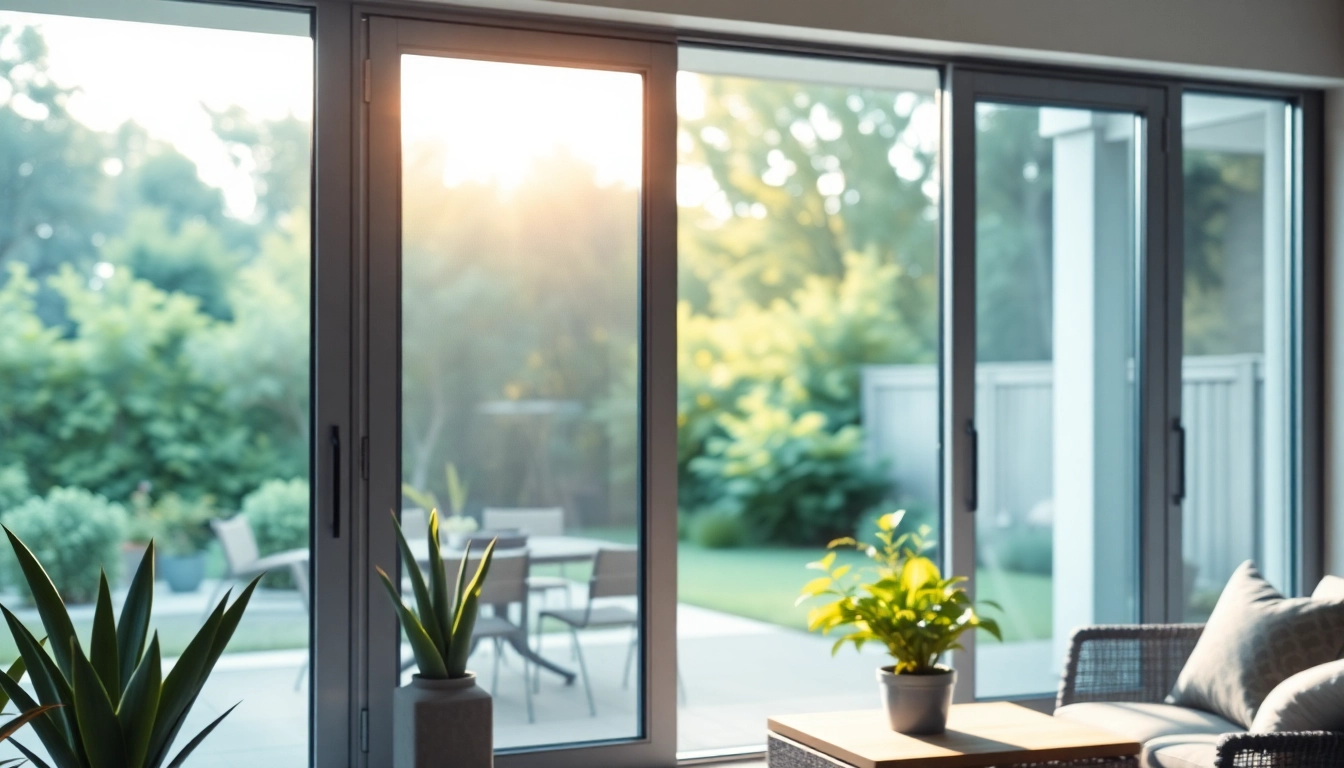
Understanding Fly Screens for Patio Doors
As outdoor spaces become more integrated into our daily living areas, the need for efficient and effective solutions to keep pests at bay while allowing fresh air to flow through is more pertinent than ever. Fly screen for patio doors are a popular choice for homeowners looking to strike this balance. These screens serve as a barrier against insects without obstructing the view or airflow, making them ideal for patios equipped with doors that lead to external spaces.
Benefits of Fly Screens
Fly screens offer numerous advantages, including:
- Insect Protection: The primary benefit of fly screens is their ability to keep insects outside, preventing them from entering your home.
- Enhanced Ventilation: These screens allow for fresh air circulation, enabling you to enjoy your patio without cumbersome doors.
- Energy Efficiency: By permitting open air circulation, fly screens can reduce reliance on air conditioning.
- Flexible Design Options: Available in various sizes and styles, fly screens can complement different patio door styles and home aesthetics.
- Easy Maintenance: Fly screens generally require minimal upkeep—occasional cleaning and inspection suffice to keep them effective.
Types of Fly Screens Available
Choosing the right type of fly screen can greatly enhance your experience. Here are the most common types:
- Fixed Screens: Permanently mounted to the door, these screens are ideal for areas with low foot traffic.
- Retractable Screens: These retract into their housing when not in use, providing a clean look and ease of access.
- Magnetic Screens: Using magnets for closure, these are easy to install and allow hands-free access, perfect for busy families.
- Sliding Screens: Designed for sliding patio doors, they offer seamless operation and blend in with the door's design.
Key Features to Consider
When selecting a fly screen, consider the following features to ensure performance and longevity:
- Mesh Material: Look for durable, heavy-duty mesh that withstands wear and tear while blocking unwanted pests.
- Frame Material: Choose rust-proof and sturdy frame materials, such as aluminum or reinforced plastic, for lasting durability.
- Ease of Installation: Some fly screens come with DIY installation kits, while others may require professional installation.
- Size and Customization: Ensure the screen fits your patio door precisely. Custom options are available for unique or non-standard door sizes.
How to Choose the Right Fly Screen for Your Patio
Assessing Your Patio Door Type
The first step in choosing a fly screen is evaluating your patio door type. Different doors, such as sliding, hinged, or bi-fold, may require specific screen designs. Additionally, consider how frequently you need to use the door and your local climate conditions, which can influence your screen choice.
Measuring for a Perfect Fit
Proper measurement ensures that your fly screen fits flawlessly. Use a measuring tape to record the height and width of your patio door, ensuring that you account for any frame overhang or obstruction.
Comparing Materials and Designs
Materials vary widely among fly screens. While mesh typically comprises synthetic fibers like fiberglass or polyester, the frame can be aluminum, wood, or various plastics. Consider aesthetic compatibility—your screen should enhance rather than detract from your home’s style.
Installation and Maintenance Tips
DIY Installation Steps
If opting for a DIY installation, follow these steps for a successful setup:
- Gather Tools: You will need a measuring tape, screwdriver, level, and possibly adhesive or screws.
- Measure: Double-check your measurements against your selected fly screen dimensions.
- Install the Frame: Use screws or clips to secure the frame around the door opening.
- Attach the Mesh: Fit the mesh into the frame, ensuring it's taut and properly aligned.
- Test Operation: Finally, open and close the screen to ensure it glides smoothly.
Professional Installation vs. DIY
While DIY installation can save money, professional services ensure that your fly screens are installed correctly and function optimally. They may also provide valuable advice tailored to your specific situation.
Maintenance Best Practices
Minding maintenance extends the life of your fly screen:
- Regularly clean the mesh with warm, soapy water and a soft brush to prevent dirt accumulation.
- Inspect for damages or tears; repair or replace parts as needed.
- Store retractable screens properly during extreme weather conditions to prevent damage.
Common Challenges with Fly Screens
Dealing with Insect Intrusions
Even the best fly screens can have issues with insects getting through if not installed or maintained correctly. Regularly check for gaps, and ensure the screen is fully engaged when in place.
How to Ensure Durability
To enhance durability, select high-quality materials and avoid excessive force when opening and closing. Consider screens with reinforced edges and securely attached mesh.
Adjusting to Different Weather Conditions
Exposure to extreme weather can wear down fly screens. Remove and safely store screens during harsh weather or ensure they are made from weather-resistant materials to withstand elements.
FAQs About Fly Screens for Patio Doors
What is the average cost of a fly screen for patio doors?
The cost can range significantly depending on materials and complexity, with prices typically between $100 and $500 for custom options.
Can I use a fly screen with sliding doors?
Yes, fly screens designed specifically for sliding doors are widely available and offer seamless operation.
How often should I clean my fly screen?
Cleaning should occur at least once a month, or more frequently if your area accumulates pollen or dust.
What are the materials used in fly screens?
Common materials include fiberglass mesh, aluminum frames, and PVC coatings that resist environmental damage.
Do fly screens reduce airflow?
No, fly screens are designed to minimize airflow reduction while keeping insects out, allowing you to enjoy fresh air.