
Understanding Water Leak Detection
Water leak detection is a critical aspect of home maintenance that often goes unnoticed until a more significant issue arises. Leaks, whether tiny or substantial, have the potential to cause extensive damage to property, leading to costly repairs and even health problems due to mold growth. In the current landscape of home maintenance, investing in water leak detection services is not just a precaution—it’s a necessity. Understanding the nuances of leak detection can empower homeowners to safeguard their properties effectively.
The Importance of Early Leak Detection
Detecting water leaks early can save homeowners significant amounts of money and reduce the stress associated with water damage. Unattended leaks can lead to structural damage, mold growth, and higher utility bills. By implementing early detection strategies, homeowners can maintain their properties and prevent further complications. Additionally, proactive leak detection can increase property value, making it an essential component of comprehensive home management.
Common Signs of Water Leaks
Identifying potential leaks can be straightforward if homeowners know what to look for. Some common signs of water leaks include:
- Unexplained increases in water bills
- Wet spots on walls or ceilings
- Visible mold or mildew growth
- Cracking or peeling paint
- Water stains on floors or walls
- Reduced water pressure
Being vigilant about these signs can help catch leaks before they escalate into larger issues.
How Water Leak Detection Works
Modern water leak detection methods utilize various technologies to accurately locate leaks without invasive measures. Professional services employ tools such as thermal imaging, acoustic sensors, and moisture mapping to identify and diagnose leaks effectively. These advanced technologies allow technicians to assess the situation quickly and with minimal disruption to the property.
Advanced Technologies in Water Leak Detection
As technology evolves, so does the effectiveness of water leak detection methods. The latest innovations are designed to provide fast, accurate diagnostics while minimizing the impact on the home environment. Understanding these technologies is crucial for choosing the right leak detection service.
Utilizing Thermal Imaging for Precise Leak Location
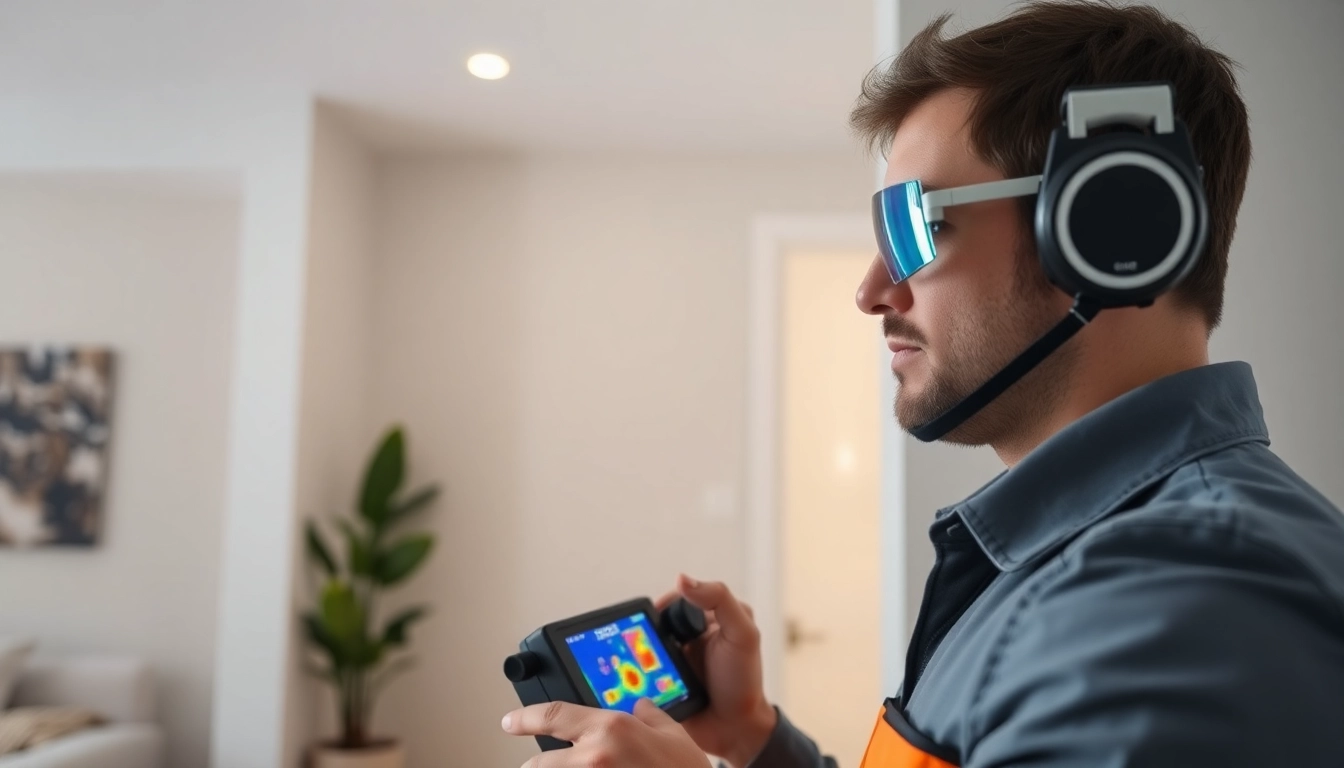
Thermal imaging technology is a game-changer in leak detection. By identifying temperature differences, technicians can pinpoint leak locations behind walls or under floors. This method is particularly useful for detecting leaks in central heating systems, as it can reveal issues without draining the system. Infrared cameras visualize heat patterns that indicate moisture presence, making them an essential tool for leak detection professionals.
Benefits of Acoustic Listening Devices
Acoustic listening devices allow technicians to hear the sounds of water escaping through pipes, even if they are buried deep underground. This non-invasive method enhances detection capabilities, particularly in commercial and industrial settings where leaks may be less visible. The precision of these devices provides valuable insights into the leakage’s source, leading to more effective and faster repairs.
The Role of Pressure Testing in Leak Diagnosis
Pressure testing is another advanced technique used in leak detection. By monitoring pressure changes in isolated sections of pipework, technicians can confirm the presence of leaks. This method is particularly effective for older plumbing systems that may be prone to wear and tear.
Choosing the Right Leak Detection Service
When it comes to selecting a professional leak detection service, it’s important to consider several factors to ensure quality and reliability. A good service not only finds leaks but also provides comprehensive solutions for repairs and future prevention.
Key Qualities to Look for in a Professional Service
- Experience and qualifications of technicians
- Use of advanced technology for leak detection
- Clear communication and detailed reporting
- Transparent pricing and service guarantees
- Positive customer reviews and testimonials
Questions to Ask Your Leak Detection Expert
Before hiring a leak detection service, it’s beneficial to ask specific questions to gauge their expertise and reliability. Consider asking about:
- The types of technologies they use for detection
- Their experience with similar properties
- How they report findings and recommendations
- Guarantees on their work and maintenance services
Understanding Pricing and Services Offered
Pricing for leak detection services can vary widely based on factors such as property size, leak complexity, and location. It’s important to obtain several quotes and compare the services offered. Look for companies that provide a clear breakdown of costs and detailed service descriptions to ensure you’re getting value for your investment.
DIY Water Leak Detection Techniques
While professional services are invaluable, homeowners can also take proactive steps to monitor their properties for leaks. Here are some effective DIY techniques that can help identify potential issues early.
Basic Tools for Homeowners
Homeowners can invest in simple tools that aid in leak detection, such as:
- Moisture meters to check for dampness in walls and floors
- Water flow sensors to monitor usage patterns
- Infrared thermometers to identify temperature differences
How to Monitor Your Water Usage
Regularly monitoring water usage is one of the best ways to spot leaks early. Homeowners should keep track of their monthly water bills and look for unusual spikes. Installing smart water monitoring systems can automatically alert homeowners to irregular patterns, allowing for quicker detection of potential leaks.
Simple Tests for Detecting Hidden Leaks
Homeowners can perform simple tests to check for hidden leaks, such as:
- Checking the toilet for leaks by adding food coloring to the tank; if it seeps into the bowl without flushing, there’s a leak.
- Inspecting faucets and showerheads for drips, which can indicate worn washers or seals.
- Looking for damp spots around appliances connected to water lines, such as dishwashers or washing machines.
Future Trends in Water Leak Detection
The future of water leak detection looks promising, with innovations emerging to improve efficiency and safety. As smart home technology becomes more prevalent, it is increasingly integrated into leak detection systems.
Smart Home Technologies for Leak Prevention
Smart home devices are revolutionizing water leak prevention. Automated systems can detect leaks and even shut off water supply lines to prevent damage. Many smart sensors can send notifications directly to homeowners’ smartphones, providing immediate alerts to potential issues.
Innovations on the Horizon for Leak Detection
Emerging technologies continue to enhance leak detection accuracy and efficiency. For example, future developments may include advanced AI algorithms that predict potential leak occurrences based on historical data and environmental conditions, offering a proactive approach to home maintenance.
The Impact of Climate Change on Water Systems
As climate change continues to impact weather patterns, the prevalence of water leaks may increase due to fluctuating temperatures and extreme weather events. Homeowners must stay informed about these trends and adapt their maintenance strategies accordingly to protect their properties.