Reliable WEEE Recycling in Reading: Your Guide to Sustainable Disposal
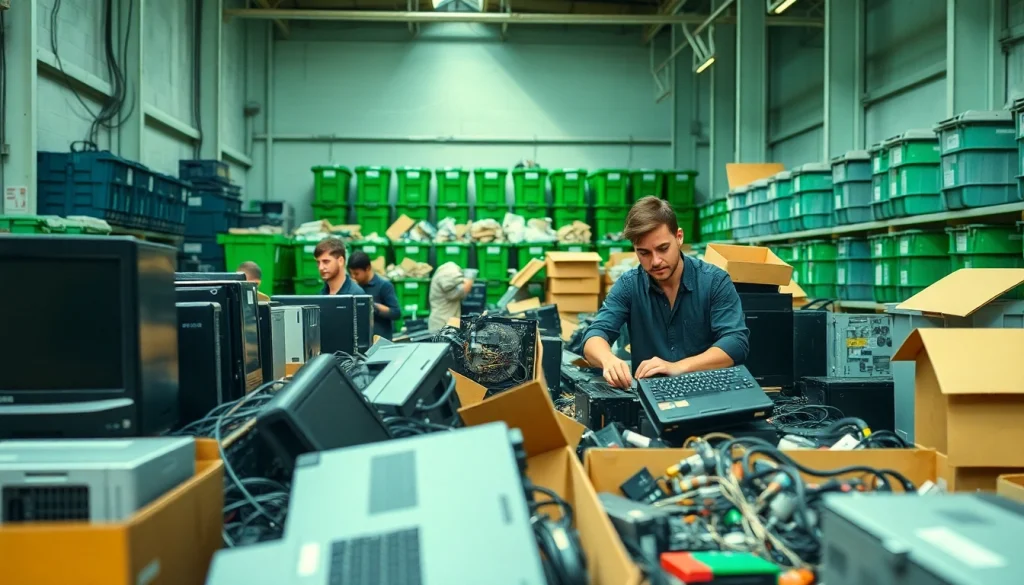
Understanding WEEE Recycling for Residents and Businesses
In today’s digital age, where electronic devices are an integral part of our lives, the question of how to responsibly dispose of these gadgets becomes increasingly crucial. This imperative task falls under the umbrella of WEEE (Waste Electrical and Electronic Equipment) recycling. Understanding the nuances of WEEE recycling can not only help you dispose of your electronic waste safely but also contribute to environmental sustainability. For local resources focusing on weee recycling reading, various organizations provide services that help facilitate this essential task.
What is WEEE and Its Importance?
WEEE refers to waste electrical and electronic equipment, which encompasses an extensive range of items including consumer electronics, IT equipment, and home appliances. The significance of WEEE recycling cannot be understated; it prevents potentially hazardous materials from ending up in landfills and reduces the environmental impact associated with producing new electronic devices. Efficient recycling processes not only mitigate pollution but also salvage valuable materials such as metals and plastics, contributing to a circular economy.
Legislation and Regulations Surrounding WEEE
The management of WEEE is governed by strict legislation, including the WEEE Directive introduced by the European Union. This regulation mandates the proper disposal and recycling of electrical waste through a set of compliance and reporting obligations. Businesses, particularly manufacturers and retailers, are compelled to ensure that their products are responsibly managed at the end of their lifecycle. This legal framework emphasizes the responsibility of both producers and consumers in minimizing electronic waste.
The Benefits of WEEE Recycling in Reading
WEEE recycling offers multiple benefits to the community. First and foremost, it helps in conserving natural resources by recovering valuable materials needed for manufacturing new products. Additionally, it fosters local job creation in recycling facilities and encourages public awareness about sustainable practices. By adopting WEEE recycling, residents and businesses in Reading can significantly reduce their carbon footprint and contribute to a larger goal of environmental sustainability.
How to Properly Dispose of Electronic Waste
Steps for Household WEEE Management
Managing electronic waste at home can seem daunting, but following a structured approach can simplify the process. Households should start by assessing the electronic items that are no longer functional or needed.
– Categorization: Group items by type (e.g., small appliances, batteries, computers).
– Searching for Recycling Options: Check local guidelines for electronic waste disposal. Many municipalities have designated collection points.
– Preparation for Recycling: Ensure that all personal data is wiped from devices before recycling.
– Drop-off or Collection Services: Utilize community collection events when available.
Business Compliance and Collection Options
For businesses, WEEE compliance is not just a regulatory requirement but also a commitment to sustainable practices. Organizations must develop a waste management plan to include:
– Auditing Electronic Waste: Maintain a record of electronic equipment and their waste management.
– Partnership with Licensed Recyclers: Engage licensed waste managers who adhere to local legislation.
– Employee Training: Educate employees about proper disposal methods and encourage participation in recycling programs.
Safe Recycling Practices to Follow
Ensuring the safety of recycling practices involves:
– Data Security: Sensitive information should be securely destroyed.
– Hazardous Material Handling: Items like batteries should be separated due to their toxic nature.
– Regular Updates: Stay informed about changes in local regulations regarding WEEE recycling. Adapting to these updates can enhance compliance and safety.
Local WEEE Recycling Services Available in Reading
Ways to Find Community Recycling Points
Finding community recycling points is essential for effective WEEE management. Residents can utilize tools like local government websites or waste management hotlines to locate nearby recycling centers. Additionally, community boards and local news sources often announce recycling events and drives targeted specifically at electronic waste.
Understanding Drop-off and Collection Services
Many businesses and local councils in Reading offer dedicated drop-off and collection services for WEEE. Understanding how these services operate is crucial:
– Drop-off Locations: Neighborhood recycling centers often have specific days allocated for electronic waste disposal.
– Scheduled Collections: Some services allow residents to schedule collections, which can be advantageous for larger items like refrigerators or televisions.
Digital Tools for Locating Recycling Facilities
Utilizing technology can significantly ease the process of locating recycling options. Numerous apps and websites enable users to input their postcode and find the nearest recycling facilities. These digital resources often include additional information about accepted materials, opening hours, and any necessary preparation steps before dropping off waste.
Frequently Asked Questions about WEEE Recycling
What items can be recycled under WEEE regulations?
Under WEEE regulations, items like computers, televisions, kitchen appliances, and batteries can be recycled. Always check local guidelines for a complete list.
Are there costs associated with recycling WEEE?
Generally, recycling WEEE is free for households. However, businesses may incur fees based on the service provider they select for collection and disposal.
How can I locate my nearest WEEE recycling center?
What if I don’t have transportation to drop off my WEEE?
If transportation is an issue, consider using scheduled collection services that many local councils provide, which can pick up your electronic waste directly from your home.
How does recycling help the environment?
Recycling reduces landfill waste, conserves natural resources, and decreases pollution from the production of new materials, contributing to overall environmental health.
Future Trends and Innovations in WEEE Recycling
Emerging Technologies in Electronic Waste Reprocessing
The field of WEEE recycling is witnessing innovative technological advancements aimed at improving efficiency and recovery rates. Technologies such as automated sorting systems and advanced shredders are streamlining the recycling process by efficiently separating valuable components from electronic waste. Moreover, these innovations facilitate higher purity levels of recovered materials, allowing for better reintegration into manufacturing processes.
Community Initiatives for Increased Recycling Rates
Local governments and non-profit organizations are increasingly promoting initiatives aimed at increasing community engagement in WEEE recycling. Initiatives can include reward systems where residents receive benefits for participating in recycling programs and educational campaigns in schools emphasizing the importance of sustainability. These community efforts significantly contribute to heightened awareness and participation rates.
Government Policies Enhancing WEEE Recycling Efforts
Government initiatives are pivotal in shaping the landscape of WEEE recycling. Policies that incorporate extended producer responsibility hold manufacturers accountable for managing their products’ end-of-life stages. Such frameworks are vital for creating a comprehensive recycling culture and ensuring that electronic waste is handled responsibly and effectively throughout the lifecycle of products.