
Understanding Healthy Food Basics
What Constitutes Healthy Food?
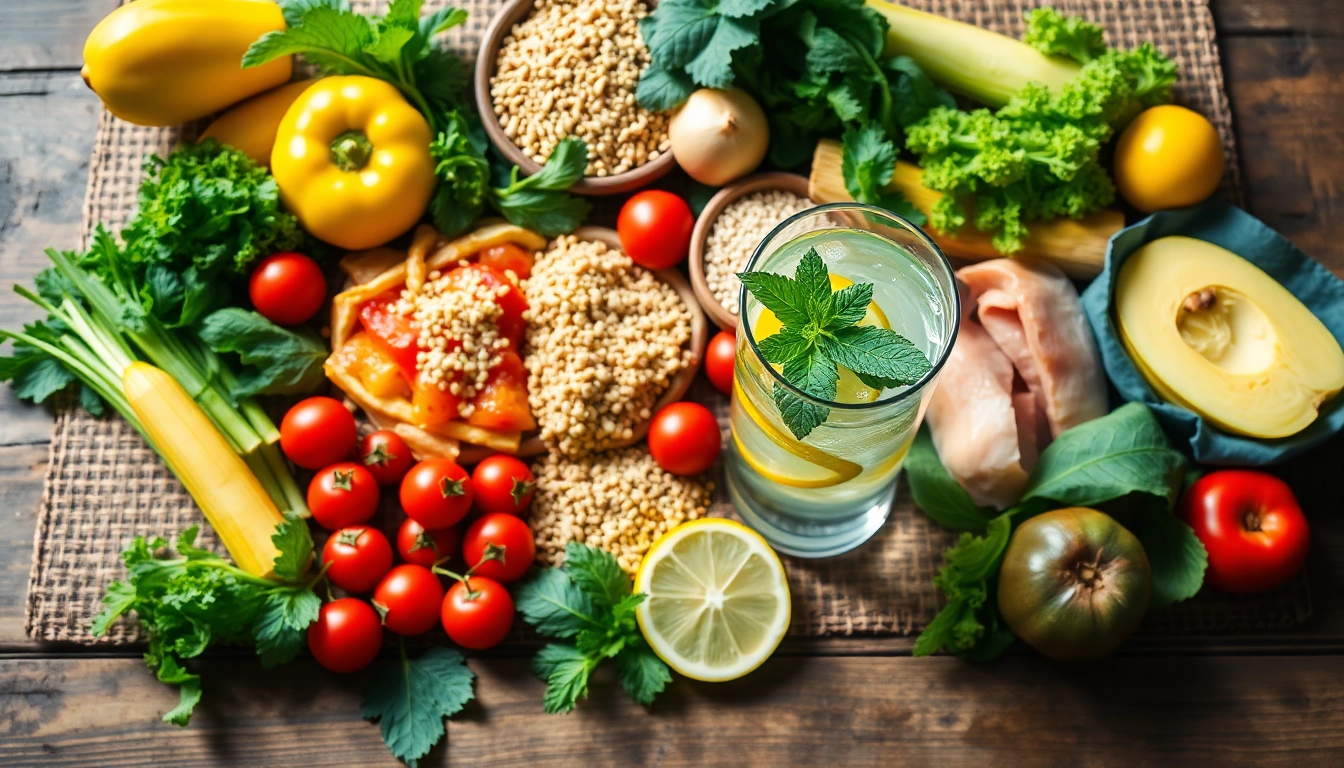
Healthy food refers to items that are beneficial for overall health and well-being, generally characterized by their nutrient density, providing a high amount of vitamins, minerals, and essential nutrients compared to their calorie content. These foods support bodily functions, maintain energy levels, and help in disease prevention. Common examples of healthy food include fruits, vegetables, whole grains, lean proteins, and healthy fats. The goal is to consume a variety of these foods to ensure a well-rounded intake of nutrients. It's important to note that the definition of healthy food can vary based on dietary needs and health goals, but incorporating healthy food into one's diet is universally encouraged.
The Importance of Nutrient-Dense Foods
Nutrient-dense foods are those that provide a high level of nutrients for relatively few calories. They play a crucial role in maintaining health and wellness, as they help in achieving optimal nutrition without excessive caloric intake. Foods such as dark leafy greens, berries, salmon, and legumes are prime examples. By focusing on nutrient-dense foods, individuals can better meet their daily needs and support their health across various age groups and lifestyles. Moreover, consuming a diet rich in these foods has been linked to reduced risk of chronic diseases, weight management, and improved metabolic health.
Balancing Macronutrients: Proteins, Fats, and Carbs
A balanced diet comprises three primary macronutrients: proteins, fats, and carbohydrates. Each macronutrient serves unique functions in the body, and thus, it’s essential to find a balance that meets individual needs. Proteins are crucial for muscle repair and growth; sources include meat, dairy, legumes, and nuts. Healthy fats are important for heart health and hormone production, with sources such as avocados, olives, and seeds. Carbohydrates are the body's main energy source, especially from whole grains, fruits, and vegetables. A well-rounded approach that incorporates all three macronutrients can enhance energy levels, improve bodily functions, and support overall health.
Creating a Healthy Food Shopping List
Identifying Fresh Produce and Whole Grains
When building a healthy food shopping list, start with fresh, whole foods. Incorporating a variety of fruits and vegetables not only adds color and flavor to meals but also maximizes nutrient intake. Aim to include a rainbow of produce—think red tomatoes, orange carrots, green broccoli, blue berries, and purple eggplants. Whole grains, such as quinoa, brown rice, and oats should also be a staple on your list, as they offer fiber, vitamins, and minerals that refined grains lack.
Choosing Lean Proteins and Healthy Fats
Next, focus on selecting lean protein options such as chicken breast, turkey, fish, eggs, and plant-based proteins like tofu and beans. These sources provide the necessary building blocks for muscle and tissue repair while being lower in saturated fats. When it comes to fats, prioritize unsaturated options like olive oil, avocados, and nuts over saturated and trans fats found in processed foods. These choices contribute to better heart health and overall wellness.
Reading Food Labels for Better Choices
Understanding food labels is essential for making educated decisions while grocery shopping. Look for key components: total calories, serving size, and the amount of sugars, fats, and sodium per serving. Pay attention to the ingredient list; the fewer and more recognizable the ingredients, the better. Nutritional labels provide valuable insights that can help you align your choices with your health goals and needs.
Effective Meal Preparation Techniques
Batch Cooking Healthy Recipes
One of the most effective ways to ensure you consistently consume healthy food is to engage in meal prep. Batch cooking allows you to prepare large quantities of healthy meals at once, which can save time and reduce cooking-related stress during busy days. Consider preparing meals like soups, stews, or casseroles that hold up well in the fridge or freezer. This not only minimizes the temptation to reach for less healthy options but also serves as a practical approach to maintaining a nutritious diet.
Smart Snack Options for Busy Days
Snacking can be a double-edged sword; if done poorly, it can lead to unhealthy choices. However, by planning ahead and choosing smart snack options, it can become a part of a healthy lifestyle. Consider snacks like Greek yogurt with honey, mixed nuts, or sliced veggies with hummus. These snacks are rich in nutrients, keep you satiated, and provide an energy boost without the crash associated with sugary snacks.
Eating Mindfully to Enhance Enjoyment
Mindful eating encourages individuals to focus on the experience of eating, promoting greater enjoyment and satisfaction. Practices include savoring each bite, eating slowly without distractions, and listening to your body's hunger and satiety signals. This approach not only enhances the pleasure derived from meals but can also aid in portion control and improve dietary choices, leading to a healthier relationship with food.
Incorporating Healthy Food into Daily Life
Planning Balanced Meals for the Week
Meal planning is a pivotal strategy for successfully incorporating healthy food into your daily life. Dedicate time at the beginning of each week to plan meals that incorporate a balance of macronutrients and a variety of ingredients. This not only simplifies shopping but also reduces the likelihood of relying on fast food or processed options during the week. An effective plan includes breakfast, lunch, dinner, and healthy snacks, ensuring that you have nourishing options readily available.
Quick and Healthy Food Options for Gotta-Go Meals
For those hectic days when time is tight, having quick and healthy food options can make all the difference. Think of snacks like trail mix, fresh fruit, or pre-packaged salads with lean protein. Invest in containers that make it easy to transport healthy food. Using meal prep methods can facilitate quick assembly of nutritious lunches and snacks that can be easily grabbed on the go.
Involving Family in Healthy Food Preparation
Integrating family members into the healthy food preparation process may not only improve diet quality but can also make cooking and eating more enjoyable. Involve children in grocery shopping by allowing them to pick out fruits or vegetables. Engage them in cooking classes that teach healthy recipes. Doing so can encourage them to develop a positive relationship with healthy food and help foster a household culture that supports healthy eating habits.
Tracking Progress and Staying Motivated
Utilizing Food Journals for Awareness
Keeping a food journal is an empowering tool that aids individuals in tracking their dietary habits, ensuring accountability in their health journey. Documenting what you eat—alongside feelings of hunger and fullness—can reveal patterns and challenges that may need addressing. Whether through an app or a traditional notebook, food journaling encourages mindfulness and can foster motivation, helping individuals stay committed to their health goals.
Setting Realistic Health Goals
Creating clear and attainable health goals is crucial to maintaining motivation while striving for a healthier diet. These goals should be specific, measurable, achievable, relevant, and time-bound (SMART). Instead of vague goals like “eat healthier,” a SMART goal may be, “consume at least five servings of vegetables daily for the next month.” Setting realistic and timely health goals can significantly increase the chances of adherence and lead to long-term success.
Celebrating Small Victories with Healthy Rewards
Recognizing progress, no matter how small, is paramount in staying motivated on a healthy eating journey. Celebrating achievements might involve treating yourself to a favorite non-food activity, such as a spa day or new workout gear. This positive reinforcement strengthens your commitment to healthy eating, encouraging ongoing efforts and nurturing a healthy lifestyle over time.